Skip links

Line Balancing

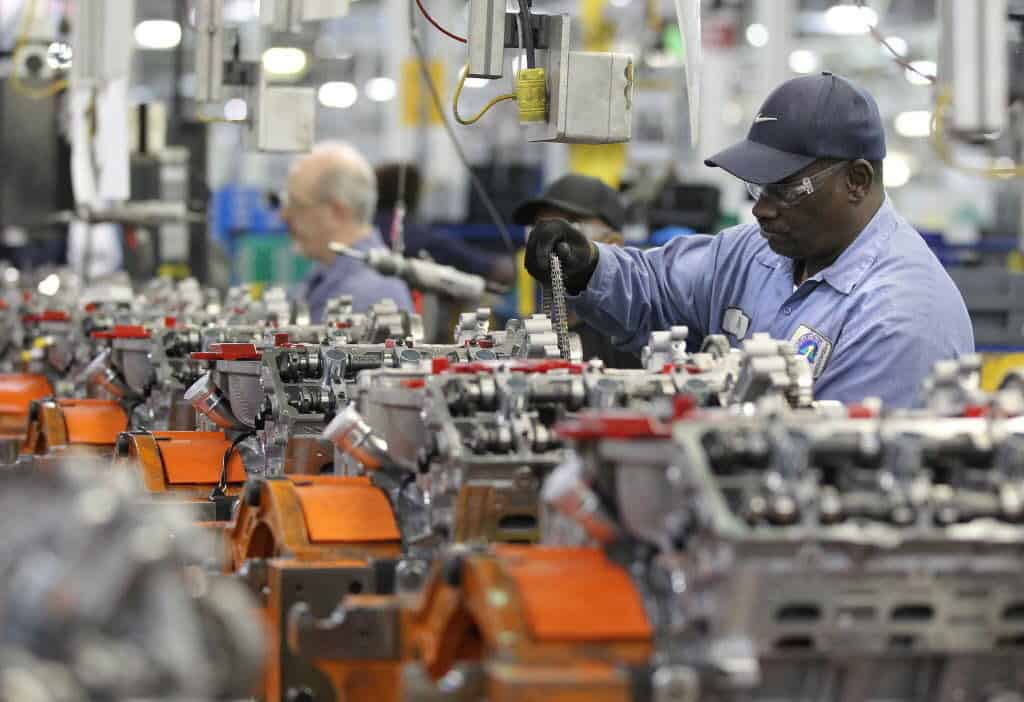
A production line is said to be in balance when all operations take a similar amount of time to complete. This is usually done through detailed video analysis and identification of every step of the process. When tasks are divided into equal portions Organisations avoid labour idealness and improve productivity.

We can help your organisation to reduce cost by eliminating waste, quality improvements and optimising your delivery capacity.

Kaizen NZ Line Balancing

What Is Line Balancing?

Line balancing is the process of distributing work across stations on a production or assembly line so that each station has roughly equal cycle time. When a line is properly balanced, bottlenecks disappear, work-in-progress shrinks, and your throughput increases without adding equipment or headcount.

The Cost of an Unbalanced Line

Unbalanced lines waste capacity in two ways. Faster stations sit idle waiting for slower stations to catch up, while slower stations accumulate piles of work-in-progress that hide quality problems and tie up working capital. The result is longer lead times, frustrated operators, and a ceiling on output that cannot be lifted by simply working harder.

Our Line Balancing Methodology

  • Time study and task analysis — we time each element of work to understand actual cycle times and variability across stations.
  • Takt time calculation — we calculate the rate at which the line must produce to match customer demand, providing a target for every station.
  • Yamazumi charting — we visualise the work content at each station against takt time to identify imbalances at a glance.
  • Work redistribution — we redesign task allocations, station layouts and tooling to bring every station within target cycle time.
  • Standard work and training — we lock in the new balance with documented standards and operator coaching, so the gains hold long term.

Typical Outcomes

Most clients see throughput improvements of 15–30% from line balancing alone, often within a single week of focused Kaizen activity. Combined with other lean tools, line balancing is one of the highest-return improvements available to any operation that uses sequential work stations.

What Is Line Balancing?

Line balancing is the process of distributing work across stations on a production or assembly line so that each station has roughly equal cycle time. When a line is properly balanced, bottlenecks disappear, work-in-progress shrinks, and your throughput increases without adding equipment or headcount.

The Cost of an Unbalanced Line

Unbalanced lines waste capacity in two ways. Faster stations sit idle waiting for slower stations to catch up, while slower stations accumulate piles of work-in-progress that hide quality problems and tie up working capital. The result is longer lead times, frustrated operators, and a ceiling on output that cannot be lifted by simply working harder.

Our Line Balancing Methodology

  • Time study and task analysis — we time each element of work to understand actual cycle times and variability across stations.
  • Takt time calculation — we calculate the rate at which the line must produce to match customer demand, providing a target for every station.
  • Yamazumi charting — we visualise the work content at each station against takt time to identify imbalances at a glance.
  • Work redistribution — we redesign task allocations, station layouts and tooling to bring every station within target cycle time.
  • Standard work and training — we lock in the new balance with documented standards and operator coaching, so the gains hold long term.

Typical Outcomes

Most clients see throughput improvements of 15–30% from line balancing alone, often within a single week of focused Kaizen activity. Combined with other lean tools, line balancing is one of the highest-return improvements available to any operation that uses sequential work stations.